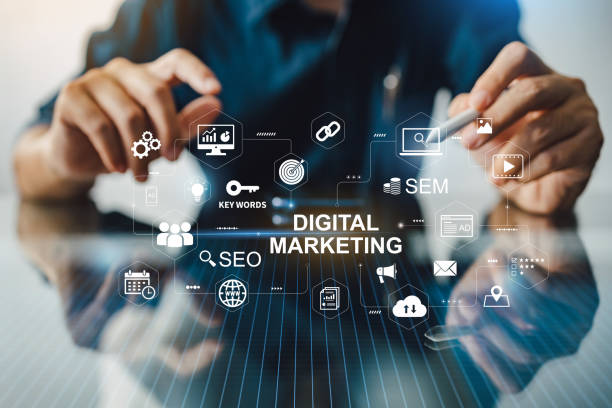
What is Digital Marketing?
Digital marketing refers to the promotion of products or services using online platforms. It encompasses various strategies like SEO, content marketing, social media, and paid advertising. Unlike traditional marketing, digital marketing allows businesses to reach a global audience efficiently and track real-time performance.
Digital marketing is the use of online platforms, digital channels, and electronic devices to promote and market products or services to potential customers. Unlike traditional marketing, which relies on print ads, billboards, TV, and radio, digital marketing leverages the internet to connect businesses with a global audience in a cost-effective and measurable way.
Key Aspects of Digital Marketing
- Online Presence & Branding: Digital marketing helps businesses establish a strong online presence through websites, social media, and search engines.
- Targeted Advertising: It allows businesses to reach specific demographics, interests, and behaviors using advanced data analytics.
- Measurable Results: Unlike traditional marketing, digital marketing provides real-time data on campaign performance, helping businesses refine their strategies.
- Cost-Effective Marketing: Digital marketing methods, such as social media marketing and email campaigns, are more budget-friendly than print or TV advertising.
Types of Digital Marketing
Digital marketing consists of various strategies, including:
- Search Engine Optimization (SEO): Optimizing a website to rank higher on Google and other search engines.
- Content Marketing: Creating valuable content (blogs, videos, infographics) to engage and educate the audience.
- Social Media Marketing (SMM): Promoting brands on platforms like Facebook, Instagram, LinkedIn, and Twitter.
- Email Marketing: Sending targeted messages to nurture leads and maintain customer relationships.
- Pay-Per-Click Advertising (PPC): Running paid ads on search engines or social media to drive traffic.
- Affiliate Marketing: Partnering with influencers or other businesses to promote products for a commission.
- Influencer Marketing: Collaborating with social media influencers to reach new audiences.
Why is Digital Marketing Important?
- Wider Reach: Businesses can target global customers, unlike traditional marketing, which is geographically limited.
- Better Engagement: Two-way communication through social media and email allows brands to interact with customers directly.
- Higher ROI (Return on Investment): Measurable results help optimize marketing spend and improve profitability.
- Personalization: AI-powered marketing enables businesses to deliver personalized experiences to customers.
Digital Marketing Strategies
Search Engine Optimization (SEO)
SEO (Search Engine Optimization) is the process of improving a website’s visibility on search engines like Google, Bing, and Yahoo. The goal of SEO is to increase organic (non-paid) traffic by ranking higher in search results when users search for relevant keywords.
Why is SEO Important?
- Increases Website Traffic: Higher rankings on search engines lead to more clicks and visitors.
- Builds Credibility & Trust: Websites on the first page of Google are perceived as more reliable and authoritative.
- Cost-Effective Marketing: Unlike paid ads, organic traffic from SEO does not require ongoing investment.
- Better User Experience: SEO involves optimizing website speed, mobile-friendliness, and content quality, improving the overall user experience.
Types of SEO
SEO is divided into three main categories:
1. On-Page SEO (Optimizing Website Content)
This involves optimizing elements on your website to improve rankings, such as:
- Keyword Optimization: Using relevant keywords in titles, headings, and content.
- Meta Tags: Writing compelling meta titles and descriptions to attract clicks.
- Content Quality: Publishing valuable, informative, and engaging content.
- Internal Linking: Connecting related pages within your website to improve navigation.
- Image Optimization: Using alt text and compressing images for faster loading.
2. Off-Page SEO (Building Authority)
Off-page SEO focuses on improving a website’s authority and reputation through external efforts, such as:
- Backlinks: Earning high-quality links from other authoritative websites.
- Guest Blogging: Writing articles for other websites to gain backlinks.
- Social Signals: Engaging on social media to boost brand awareness and referral traffic.
- Brand Mentions: Getting mentioned in online publications and blogs to improve credibility.
3. Technical SEO (Optimizing Website Performance)
Technical SEO ensures that a website meets search engine guidelines for indexing and ranking. It includes:
- Site Speed Optimization: Faster loading pages improve user experience and rankings.
- Mobile-Friendliness: Ensuring the website is responsive on all devices.
- Secure HTTPS Connection: Google prioritizes secure websites with SSL certificates.
- Structured Data Markup: Using schema markup to help search engines understand content.
How SEO Works
- Search Engine Crawling & Indexing: Google bots crawl websites, analyze content, and index pages in its database.
- Ranking Algorithm: Search engines use over 200 ranking factors (such as keywords, backlinks, and user experience) to determine page rankings.
- Displaying Results: When a user searches for a term, Google displays the most relevant and high-quality pages.
SEO Best Practices
- Conduct keyword research to find what users are searching for.
- Publish high-quality content that provides value.
- Optimize title tags, meta descriptions, and images for better engagement.
- Focus on mobile-friendliness and fast-loading pages for a better user experience.
- Build high-quality backlinks from authoritative sources.
Content marketing
Content marketing is a strategic marketing approach that focuses on creating, distributing, and promoting valuable, relevant, and consistent content to attract and retain a clearly defined audience. Unlike traditional advertising, content marketing does not directly promote a brand or product; instead, it provides informative, engaging, and useful content that helps build trust and long-term relationships with customers.
Why is Content Marketing Important?
- Builds Brand Awareness: High-quality content helps businesses establish authority in their industry.
- Drives Organic Traffic: SEO-optimized content improves search engine rankings and attracts potential customers.
- Engages & Educates Customers: Content marketing answers questions and solves problems, making businesses more credible.
- Supports Other Marketing Strategies: Content is essential for SEO, social media, and email marketing campaigns.
- Generates Leads & Conversions: Well-crafted content nurtures leads and encourages them to take action.
Types of Content Marketing
Content marketing can take various forms, including:
1. Blog Posts
- Purpose: Informative, educational, and SEO-friendly articles that provide value to readers.
- Examples: "Top 10 Digital Marketing Strategies," "How to Improve SEO Rankings."
2. Video Content
- Purpose: Engages audiences visually and is highly shareable on social media.
- Examples: Product demos, tutorials, explainer videos, vlogs.
3. Infographics
- Purpose: Visually represent complex information in an easy-to-digest format.
- Examples: Data-driven graphics, step-by-step guides.
4. E-books & Whitepapers
- Purpose: In-depth guides that establish a business as an industry leader.
- Examples: "The Ultimate Guide to SEO," "Digital Marketing Trends in 2025."
5. Social Media Content
- Purpose: Engages with the audience on platforms like Facebook, Instagram, LinkedIn, and Twitter.
- Examples: Short posts, stories, polls, memes, and live sessions.
6. Email Newsletters
- Purpose: Nurtures leads by sending valuable content directly to their inbox.
- Examples: Weekly updates, promotions, educational insights.
7. Podcasts & Webinars
- Purpose: Provide in-depth discussions and expert insights on industry-related topics.
- Examples: Interviews, panel discussions, live Q&A sessions.
How Content Marketing Works
- Research & Planning: Identify the target audience, their interests, and pain points.
- Content Creation: Develop high-quality, engaging, and SEO-friendly content.
- Distribution & Promotion: Share content via social media, email, SEO, and other channels.
- Engagement & Interaction: Respond to comments, encourage discussions, and build community trust.
- Analytics & Optimization: Measure performance using tools like Google Analytics and refine strategies.
Social Media Marketing
Social Media Marketing (SMM) is the use of social media platforms like Facebook, Instagram, LinkedIn, Twitter, YouTube, and TikTok to promote products, services, or brands. It involves creating and sharing content to engage audiences, increase brand awareness, and drive sales.
Unlike traditional marketing, social media marketing allows direct interaction with customers, helping businesses build relationships and loyalty. It also provides real-time insights into customer behavior, enabling data-driven marketing strategies.
Why is Social Media Marketing Important?
Increases Brand Awareness – Social media helps businesses reach a large audience quickly.
Boosts Customer Engagement – Brands can interact with customers through comments, likes, shares, and messages.
Drives Website Traffic – Links and ads on social media direct users to business websites.
Generates Leads & Sales – Businesses can use targeted ads and influencer partnerships to drive conversions.
Cost-Effective Marketing – Organic reach and paid advertising are more affordable than traditional marketing methods.
Types of Social Media Marketing Strategies
1. Organic Social Media Marketing
This involves free strategies to engage and grow an audience naturally. Examples include:
- Posting Regular Content: Sharing updates, blogs, videos, and images.
- Engaging with Followers: Replying to comments, messages, and conducting Q&A sessions.
- Using Hashtags: Increasing discoverability through trending hashtags.
- Joining Groups & Communities: Participating in niche-related discussions.
2. Paid Social Media Advertising
Paid campaigns allow businesses to target specific audiences and increase reach. Types of paid ads include:
- Sponsored Posts: Boosting regular posts to reach more people.
- Display Ads: Banner ads appearing on social media feeds.
- Carousel Ads: Multi-image ads showcasing different products.
- Lead Generation Ads: Collecting user information directly from social platforms.
3. Influencer Marketing
- Partnering with social media influencers to promote products.
- Influencers create authentic content, increasing trust and credibility.
- Ideal for businesses targeting niche markets.
4. Social Media Contests & Giveaways
- Encourages user participation by offering free products or discounts.
- Generates engagement, brand awareness, and new followers.
5. Social Media Analytics & Monitoring
- Tools like Facebook Insights, Instagram Analytics, and Twitter Analytics help track engagement.
- Businesses use these insights to improve content strategies.
| Platform | Best For | Popular Features |
|---|---|---|
| B2C, Community Building | Facebook Ads, Groups, Live Videos | |
| Visual Marketing, E-commerce | Stories, Reels, IG Shopping | |
| B2B Marketing, Professional Networking | LinkedIn Ads, Articles, Groups | |
| News, Customer Engagement | Hashtags, Retweets, Twitter Ads | |
| YouTube | Video Marketing | Tutorials, Reviews, YouTube Ads |
| TikTok | Short-Form Content | Viral Trends, Challenges, Paid Ads |
Email Marketing
Email marketing involves sending personalized messages to potential and existing customers. Key strategies include:
- Segmentation: Dividing email lists into different groups based on user behavior and preferences.
- Automated email sequences: Setting up automatic emails for welcome messages, follow-ups, and promotions.
- A/B testing: Testing different email formats, subject lines, and content to determine what works best.
Pay-Per-Click Advertising (PPC)
PPC advertising allows businesses to bid for ad placements on search engines. Google Ads is the most popular platform for PPC marketing. It involves:
- Keyword selection: Choosing relevant keywords to target the right audience.
- Ad copywriting: Creating compelling and action-driven ad content.
- Bid management: Adjusting bids to optimize budget spending for the best results.
- Performance analysis: Monitoring click-through rates (CTR), conversion rates, and return on ad spend (ROAS).
Affiliate Marketing
Affiliate marketing involves partnering with influencers or bloggers who promote products in exchange for a commission. It includes:
- Partnering with affiliates: Collaborating with website owners, bloggers, and influencers to drive sales.
- Affiliate tracking: Using tracking links to monitor referral traffic and conversions.
- Performance-based rewards: Paying affiliates based on successful sales or leads generated.
Influencer Marketing
Influencers with large followings promote products to their audience, boosting brand credibility and awareness. This involves:
- Identifying relevant influencers: Finding industry-specific influencers who align with your brand.
- Campaign collaboration: Working with influencers to create authentic content.
- Measuring engagement: Tracking likes, shares, and comments to evaluate effectiveness.
Digital Marketing Courses
Many online platforms offer digital marketing courses, including:
- Google Digital Garage: Free courses covering SEO, PPC, and social media optimisation.
- HubSpot Academy: Courses focusing on inbound marketing and email automation.
- Udemy: Various digital marketing courses taught by industry professionals.
- Coursera: Offers university-backed courses on digital marketing fundamentals.
These courses teach SEO, PPC, email marketing, and other essential skills to help individuals build a career in digital marketing.
Digital Marketing Agencies
A digital marketing agency offers professional marketing services to businesses. Services include:
- SEO and content marketing: Improving website rankings and creating engaging content.
- PPC campaigns: Managing paid advertisements for quick lead generation.
- Social media management: Handling social media accounts and ad campaigns.
- Web design: Creating visually appealing and user-friendly websites.
Digital Marketing Jobs and Salary
Careers in digital marketing include:
- SEO Specialist: Optimizing websites to rank higher on search engines.
- Content Marketer: Creating valuable content for blog posts, articles, and guides.
- PPC Manager: Managing paid ad campaigns and optimizing performance.
- Social Media Manager: Handling social media engagement and ad campaigns.
- Email Marketing Specialist: Designing email campaigns to nurture leads.
Salaries vary by role and location. For instance, a digital marketing manager earns between $60,000 and $100,000 annually in the US, while an SEO specialist earns around $50,000 to $80,000 per year.
Benefits of Digital Marketing for Businesses
Digital marketing provides numerous benefits:
- Cost-effective compared to traditional marketing: Online ads are more affordable than TV, radio, and print ads.
- Measurable and trackable results: Tools like Google Analytics provide insights into campaign performance.
- Higher audience engagement: Social media and content marketing encourage direct interaction with customers.
- Enhanced brand visibility: SEO and PPC improve brand awareness and recognition.
- Better customer targeting: Digital marketing allows businesses to reach specific audiences through demographic and behavioral targeting.
Conclusion
Digital marketing is essential for business growth. Whether through SEO, social media, or email marketing, a well-executed strategy can drive traffic, boost sales, and enhance brand recognition. Investing in digital marketing services ensures long-term success in a competitive market.