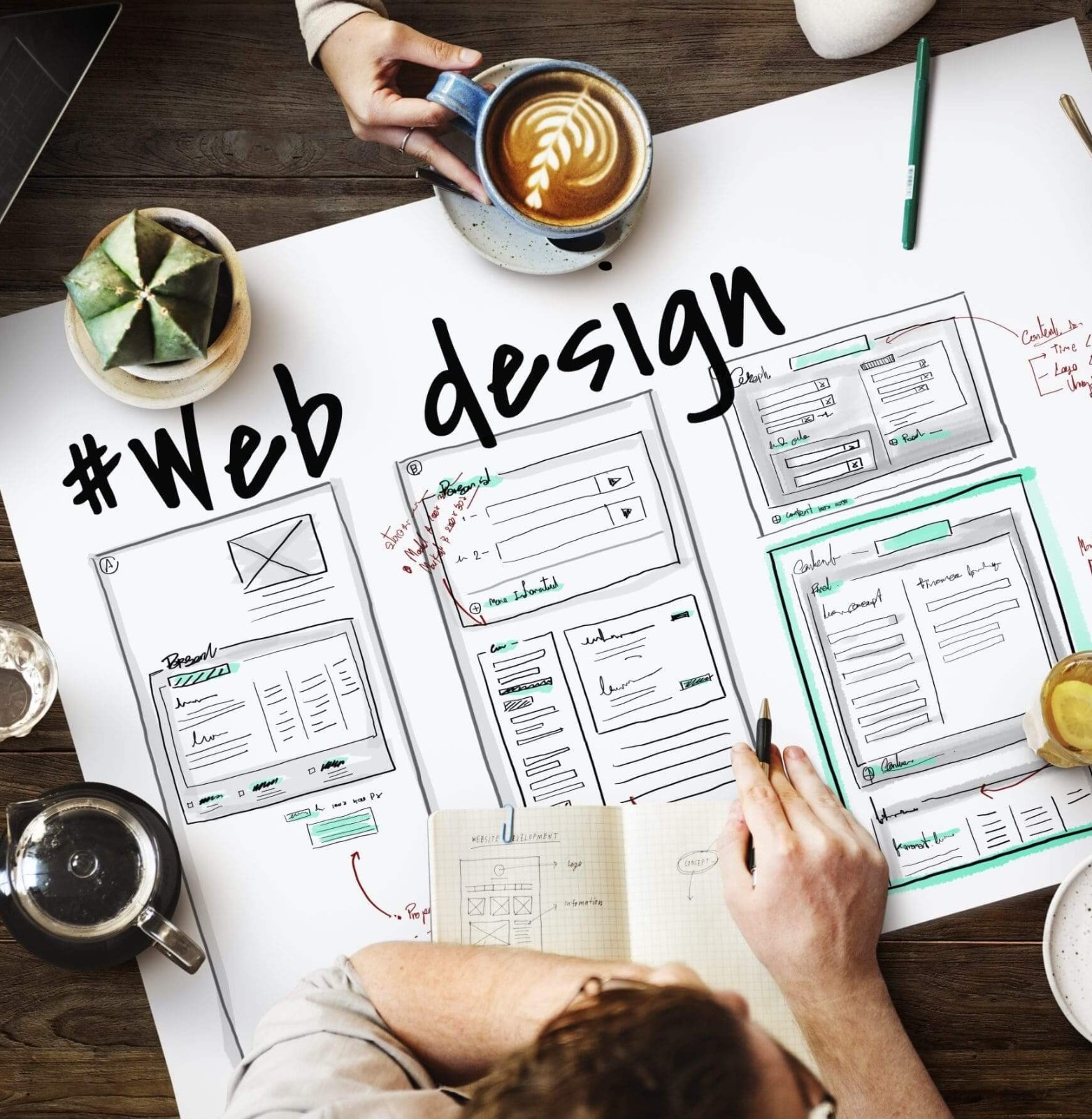
Website Design & Web Development
For companies of all sizes, having a well-designed and very useful website is important in the current digital world. Investing in website design is nowvery important, in any case whether you need a professional web designer to build a website from the scratch/beginning or need professional web development services. A website that is both attractive and easy to use improves your brand value and increases your presence on internet.
Graphic design, logo design, responsive web design, front-end and back-end development, and e-commerce website development are all covered in this exclusive blog. Let's find out how innovative online solutions may help your company and busineess to grow its online presence.
What is Website Design?
The visuals, usability, and user experience of a website are the main concerns of website design. In order to produce an attractive, beautiful and user-friendly user website, it begins with components that includes layout, colours, typography, and interactive elements.Web designing is avery important aspect of building a attractive and user-friendly website. It includes various elements, such as layout, color schemes, typography, and UI components, all of which contribute to a smooth user experience. A well-designed website not only attract visitors but also plays an important role in improving search engine ranking.
Web designing is the process of creating and organising websites to be both functional and attractive for the users. It involves multiple components such as UI/UX design, responsive web design, navigation structure, and content position. The main goal of web designing is to provide a smooth and engaging experience to users, ensuring easy accessibility and interaction across various devices over the internet.
Importance of Web Design
A good web design is the most important part of digital marketing strategy. An attractive and responsive website improves the user experience, leading to higher traffic retention of users. Search engines, mainly Google, prioritise well-optimised websites with fast loading speed, mobile responsive, and high-quality content. A good website is the backbone of SEO(Search Engine Optimisation), branding, and internet presence, making it an essential and most valueable asset for businesses in this digital genration.
Essential of Web Designing
To create a high-performing website, follow these key web design principles:
- Keep It Simple: Avoid too much elements and focus on user-friendly designs.
- Responsive Design: Makesure your website is flexible for different screen sizes and devices.
- Fast Loading Speed: Optimise images, enable caching, and use efficient coding to reduce loading time of website.
- SEO Optimization: Add relevant keywords naturally and follow best SEO practices to rank website.
- User-Friendly Navigation: Implement a logical and inbuilt menu structure to improve accessibility.
- Color Psychology: Use colorful schemes that align with brand identity and rise the right emotions.
- High-Quality Content: Provide valuable, engaging, good quality and informative content that retains visitors on our website.
Key Elements of Website Design
- Graphic Design: A website's attractiveness is increased by visually attractive content, which also makes it seem more polished and interesting.
- Logo Design: A well-designed logo creates unique identification and establishes brand identity in the market.
- User Experience Design (UX): Ensures that customers can explore with ease, which increases user engagement and conversions.
- Responsive Web Design:By adjusting to various screen sizes, a mobile-friendly website design improves accessibility.
- Typography and Color Schemes: Choosing the right fonts and colors creates a consistent and visually attractive experience for customers.
- Navigation and Layout: A clear structure provides way for easy navigation, and keeps users engaged for long time on our website.
- Call-to-Action (CTA) Buttons: Encouraging user interaction by placing CTAs in order to increase sales conversion rate.
- High-Quality Content: Engaging text and visuals increase credibility and improve search engine rankings of our website.
- SEO Best Practices: By adding on-page SEO elements like meta descriptions and keyword optimization increases presence of our business online.
- Interactive Features: Dynamic elements such as animations and videos improves users' engagement and surfing time on our website.
A good website designing increases trust, reduces bounce rates, and increase user satisfaction. Businesses that invest in high-quality website design are more likely to attract new customers and retain old customers.
What is Web Development?
Web development is the process of building and maintaining websites, ensuring good performance, security, and functionality. It includes activities such as coding, database management, and server-side configurations.Web development is most important for digital world, which enable businesses to create attractive, user-friendly, and high-performing websites. With rapid innovations in technology, understanding modern web development trends, frameworks, and best practices are crutial for both businesses and developers. From front-end to back-end development, the latest technologies, and how to optimise websites for better performance and SEO rank.
- Front-end Development (Client-side):Primary focus on the website’s design and user interactions using HTML, CSS, JavaScript, and frameworks like React or Angular.
- Back-end Development (Server-side): Controlling server logic, databases, and API integrations using technologies like Node.js, Python, and PHP.
- Full-stack Development:It includes both front-end and back-end development, making developers expert in all works related to the creation of website.
Web Development Trends
1. Progressive Web Apps (PWAs)
PWAs combine the best features of website and mobile applications, offers fast loading speed, offline access, and improves user engagement. Major companies like Twitter and Starbucks use PWAs to improve user experience and interactions.
2. AI-Powered Chatbots
With artificial intelligence (AI) improvements, chatbots are becoming an very crutial and integral part of modern websites. They help businesses to provide 24/7 customer support, improves users engagement, and smooth communications.
3. Voice Search Optimization
As use of voice search grows, web developers must apply schema markup, natural language processing (NLP), and conversational keyword strategies to increase website attractiveness in voice search results.
4. Serverless Architecture
Serverless computing helps developers to build and install applications without managing servers. Platforms like AWS Lambda and Google Cloud Functions facilitate reliability and cost-efficiency.
5. Motion UI and Interactive Design
User engagement is important factor in web development. Motion UI improves websites with animations, micro-interactions, and dynamic page changes to create a smooth browsing experience.
Essential Web Development Tools & Technologies
Front-end Technologies
- React.js – A powerful JavaScript library is crutial for building a interactive user interfaces.
- Angular – A framework developed by Google for dynamic web applications.
- Vue.js – A progressive JavaScript framework ideal for lightweight applications.
Back-end Technologies
- Node.js – A JavaScript runtime for scalable server-side applications.
- Django – A high-level Python framework for fast web development.
- Ruby on Rails – A developer-friendly framework emphasizing convention over configuration.
Database Technologies
- MySQL – A widely-used open-source relational database.
- MongoDB – A NoSQL database designed for scalability and flexibility.
- PostgreSQL – A powerful, open-source relational database.
Difference Between Web Design and Web Development
Web design and web development are closely related but serve different purposes in creating a website.
| Feature | Web Design 🖌️ | Web Development 💻 |
|---|---|---|
| Definition | Focuses on the visual look and user experience (UX) of a website. | Focuses on building and functionality of a website. |
| Main Goal | To create an attractive, user-friendly interface. | To ensure the website works smoothly and is interactive. |
| Skills Required | Graphic design, UX/UI design, color theory, typography, wireframing, Figma, Adobe XD. | Programming languages like HTML, CSS, JavaScript, PHP, Python, React, and databases. |
| Tools Used | Adobe Photoshop, Illustrator, Figma, Sketch, Canva. | VS Code, GitHub, Bootstrap, Node.js, React, WordPress, databases. |
| Key Elements | Layout, color scheme, typography, buttons, menus, user navigation. | Backend coding, server management, database integration, security. |
| Who Does It? | Web Designers – Focus on creativity and UI/UX. | Web Developers – Handle coding, logic, and database management. |
| Example Tasks | - Creating wireframes & mockups - Designing website layouts - Choosing color palettes & fonts |
- Writing code (HTML, CSS, JavaScript, PHP, etc.) - Setting up databases & servers - Making the website interactive (e.g., forms, animations) |
Practices for Web Development
1. Mobile-First Design
With Google’s mobile-first indexing, websites must be optimized for mobile devices. Responsive design, fast load speeds, and touch-friendly navigation enhance user experience.
2. Page Speed Optimization
Slow websites lead to higher bounce rates. Use techniques like image compression, browser caching, and Content Delivery Networks (CDNs) to improve loading speed.
3. Structured Data Implementation
Adding structured data (schema markup) helps search engines understand website content better, improving rich snippet displays in SERPs.
4. Secure and Accessible Websites
Ensure website security with HTTPS, strong verification methods, and regular security checks. Accessibility improvements, such as alt text for images and ARIA roles,improves experience for all users.
5. Keyword Optimization
Use high-traffic keywords should be put in titles, meta descriptions, headings, and content strategically. Focus on long-tail keywords like:
- Best web development practices
- Top front-end frameworks for developers
Key Aspects of Web Development
- Front-End Development: Focuses on the visual and interactive elements that users see and engage with.
- Back-End Development: Handles the server-side operations, databases, and APIs to power a website.
- Web Development Services: A web development business offers complete solutions to improve visibility of website on internet.
- Content Management Systems (CMS): Platforms like WordPress and Joomla simplify website management.
- Website Security: Protecting user data and ensuring safe transactions with SSL certificates and firewalls.
- Speed Optimization: Improving page load timeing improves user experience and SEO rankings.
- API Integration: Connecting third-party tools for better functionality and automation.
- Custom Web Applications: Custom solutions for businesses requiring unique operations.
- Cloud Hosting Services: Secure and flexible hosting solutions improves website performance.
- Database Management: Managing and organising vast volumes of data effectively for dynamic websites.
Web development is continuously developing, with new trends and technologies that shape the future of digital experiences. By staying up to date with the latest structure, best practices, and SEO strategies, businesses and developers can create rapid, secure, and user-friendly websites for their users. even if you are a beginner or an experienced developer, mastering these web development activities will keep you ahead of everyone.
Role of Responsive Web Design
Because more people are using mobile devices to browse the internet, responsive web design makes sure that your website adjusts to different screen sizes. It reduces bounce rates, improves user experience, and improves SEO ranks of websites.
Benefits of Responsive Web Design
- Improve mobile user experiences.
- High search engine ranking.
- Faster loading speed
- Reduce loading time
- Increase conversion and sales rate
- Consistent and compatible branding across devices
- Improved accessibility for users with disabilities
- Low maintenance cost as compared to separate mobile and desktop sites.
E-Commerce Websites increases Sales
Businesses hoping to thrive in digital marketplace must have a high-performing website, as e-commerce sector is gainning populaity rapidly. Businesses wants to increase income, attract customers worldwide, and improves sales with the help of well-designed e-commerce website.
Key Features of a Successful E-Commerce Website
- Secure Payment Gateways: Ensure safe payment gateways with SSL encryption, credit card security, and fraud protection.
- User-Friendly Navigation: Simplify categories, and creating eyecatching design improves the shopping experience of customers.
- Fast-Loading Pages: Improving loading speed of website helps to reduce cart leaving rate and improves user experience.
- Mobile Optimization: A mobile-friendly website design ensures that users can shop easily on any device.
- SEO-Friendly Product Descriptions: Optimised content improves ranking on search engines and attracts more customers.
- Multi-Layer Security Protection: Firewalls, two-factor authentication, and secure logins to protect user data.
- Customer Reviews and Ratings: Social proof builds trust and encourages conversions and improves sales.
- Inventory Management Systems: Automatic stock update system facilitates smooth operations and prevent overselling of stock.
- Personalized Product Recommendations: AI-driven suggestions increase sales by offering related products to the customers.
- Multi-Currency and Multilingual Support: Increase market reach by engaging with international customers.
- Integration with Social Media: Supportive platforms like Instagram, Facebook, and Pinterest for higher user engagement and sales.
- One-Click Checkout: Reducing hinderance in the buying process increase conversion rate.
- Email Marketing Automation: Automated follow-ups, abandoned cart reminders, and special offers to the intrested customers drive sales.
- Live Chat and Customer Support: Improving user experience with real-time support increases customer satisfaction.
- Subscription-Based Services: Offering membership options to the customers increases recurring revenue.
E-Commerce Website Development
An E-Commerce Website development needs:
- Enhanced User Experience (UX): A absolute, automatic website keeps customers engaged and reduces bounce rates.
- Better Search Engine Rankings: A well-optimized website attracts organic traffic, increase conversions.
- Higher Customer Retention: Personalized experiences and loyalty programs encourage repeat purchases.
- Automation and AI Integration: Chatbots, recommendation engines, and automated order processing enhance efficiency.
- Conversion Rate Optimization (CRO): A/B testing, heatmaps, and performance tracking improve sales strategies.
- Omnichannel Selling: Integration with marketplaces like Amazon and eBay increases sales potential.
- Scalability: As business grows, e-commerce websites can expand with new features and products.
- Data-Driven Decisions: Analytics tools provide insights into customer behavior, allowing businesses to improve their strategies.
- Reduced Operational Costs: Automation reduces manual work, which help reducing cutting overhead expenses.
- Stronger Brand Presence: A professionally designed website enhances trust among customers.
The Future of Web Design and Development
Website design and online development services will be filtered by emerging trends like voice search optimisation, AI-powered design, and interactive experiences. Companies will have a competitive advantage if they adjust to these changes.
Emerging Trends in Web Design and Development
- Artificial Intelligence in Web Design: AI tools like Chatbots and automatic UX designers are improving user experience.
- Voice Search Optimization: Websites are optimising for voice search queries to improve accessibility.
- Dark Mode UI: More websites are offering dark mode for better readability and reduced eye strain.
- Motion UI and Microinteractions: Animations and interactive elements make websites more engaging for customers or clients.
- 5G and Faster Load Times: Improved internet speed is positively affacting website performance and meet expectations of the businesses.
- Augmented Reality (AR) Integration: AR technology allows users to see products before purchasing.
- Blockchain for Web Security: Decentralised technologies improves website security and data integrity.
- Progressive Web Apps (PWAs): Offering app-like experiences on the web browsers for better engagement and better user experience.
- Minimalistic Design Trends: Clean, simple, and fast-loading web pages improves user experience.
- No-Code and Low-Code Platforms: Making it possible for non-programmers to create websites.
Choose the Right Web Development Company
While selecting a web development company, consider the following:
- Portfolio and previous projects
- Customer endorsements and reviews
- Expertise in web development services
- Customisations and reliable options
- Post-launch support and maintenance
- Pricing and budget considerations
- Industry experience and domain expertise
- Use of the latest technologies and development structure.
- Ability to meet deadlines and project on time.
- Transparent communication and customer support service.
Why Professional Website Design Matters
In fast-paced digital world, your website is often the first impression to the potential customers of your business. A professionally designed website can create the difference between aquire a loyal customer or losing that customer to competitors. Here’s why spending time in professional website design and website development is important for your business.
The Role of a Professional Website Designer Near You
When you search for a website designer near me, you’re looking for someone who understands your local market and business goals. A professional designer doesn’t just make your website look good—they ensure it aligns with your brand, appeals to your target audience, and provides a smooth user experience.
- Personalized Design: A professional website designer customizes your site to reflect your business’s unique identity, ensuring it stands out from competitors.
- Local Expertise: A nearby designer understands your market trends and preferences, creating a website that resonates with your community.
- Responsive Support: Hiring a local designer means you can quickly address any issues or updates, ensuring your website stays up to date.
How Professional Website Development Ensures Functionality, Speed, and Security
A beautifully designed website is useless if it doesn’t function properly. Professional website development ensures your website is not only visually appealing but also performs optimally.
-
Functionality:
- Expert developers integrate essential features like e-commerce capabilities, contact forms, and booking systems that work flawlessly.
- They ensure cross-browser compatibility so your site works seamlessly on any platform.
-
Speed:
- Page load time is critical for user retention and SEO rankings. Developers optimize your website’s code, images, and server settings to minimize load times.
- A faster website provides a better user experience, reducing bounce rates and increasing conversions.
-
Security:
- Professional developers prioritize website security by implementing SSL certificates, firewalls, and regular updates.
- This protects your business and customer data, building trust with your audience.
Real-Life Examples of Businesses Thriving With Effective Web Design
1. E-commerce Success: A local boutique in Austin partnered with a professional web designer to create a mobile-responsive, visually stunning e-commerce website. The result? A 150% increase in online sales within three months.
2. Service Industry Growth: A plumbing company searching for a "website designer near me" revamped their site to include a booking system and optimized service pages. Their inquiries doubled, and they ranked higher on Google for local search terms.
3. Small Business Expansion: A café used professional UI/UX design to create an engaging, story-driven website that highlighted their menu and community involvement. The user-friendly interface and quick load times attracted more foot traffic and online orders.
Key Elements of a Successful Website
At Britannica Bots, we believe a successful website is more than just a digital presence—it's a tool to engage your audience, boost your brand, and drive growth. To achieve this, your website needs to excel in critical areas such as UI/UX design, mobile responsiveness, page speed, and SEO-friendly structure. Let’s dive into these essential elements to show you how to build a website that delivers results.
1. UI/UX Design for Intuitive Navigation
An exceptional website design starts with an intuitive user interface (UI) and user experience (UX).
- Clear Navigation: Visitors should find what they’re looking for within seconds. At Britannica Bots, we prioritize simplicity, using clear menus and logical page hierarchies to guide users effortlessly.
- Engaging Visuals: High-quality graphics and consistent branding ensure visitors stay engaged.
- Call-to-Actions (CTAs): Strategically placed CTAs, such as “Get Started” or “Contact Us,” guide users toward desired actions.
With a focus on intuitive UI/UX design, you can keep users on your site longer and encourage conversions.
2. Mobile Responsiveness
In today’s mobile-driven world, having a responsive website is non-negotiable.
- Optimized for All Devices: At Britannica Bots, we ensure your website adapts seamlessly to screens of all sizes, whether it’s a smartphone, tablet, or desktop.
- Enhanced Mobile Performance: Mobile responsiveness improves usability, reduces bounce rates, and contributes to higher search engine rankings.
- Better User Experience: A mobile-friendly website ensures visitors can interact with your content without zooming or scrolling awkwardly.
When you build a website with mobile responsiveness in mind, you cater to the majority of internet users and maximize your audience reach.
3. Page Load Speed Optimization
Nobody likes a slow website. Speed matters not only for user satisfaction but also for SEO.
- Fast Loading Times: Britannica Bots optimizes images, minifies code, and uses efficient hosting solutions to ensure your website loads in under three seconds.
- Impact on SEO: Google rewards fast-loading websites with better rankings, making speed a crucial factor in online visibility.
- Higher Conversions: Faster websites keep users engaged, reducing bounce rates and increasing the likelihood of conversions.
By prioritizing page load speed, we help you retain visitors and improve your overall website performance.
4. SEO-Friendly Website Structure
Your website’s structure plays a critical role in how search engines and users navigate your content.
- Clear Hierarchies: Britannica Bots designs websites with logical URL structures and easy-to-follow sitemaps.
- Optimized Content: We use SEO-friendly practices, such as keyword-rich headings and meta descriptions, to improve your search engine rankings.
- Accessible Design: Features like alt tags for images and proper heading tags ensure your website is accessible to all users, including those with disabilities.
An SEO-friendly website design not only improves discoverability but also helps drive targeted traffic to your site.
Why Choose Britannica Bots to Build Your Website?
At Britannica Bots, we specialize in creating websites that excel in all these critical elements. Whether you’re starting from scratch or need to revamp an existing site, we combine cutting-edge website design with advanced development techniques to deliver results.
Finding the Right Web Designer or Developer Near You
In today’s digital age, having a well-designed website is crucial for any business. Whether you need a sleek landing page or a full-fledged eCommerce platform, finding the right website designer near you can make all the difference. But with so many options available, how do you choose the best web developer or UI/UX expert for your project?
Tips for Searching for a Website Designer Near Me
When looking for a local website designer or developer, consider the following:
- Define Your Needs – Do you need a simple website, a custom WordPress theme, or a full-stack development solution? Understanding your requirements will help you find the right specialist.
- Search Locally – Use Google search with keywords like "best website designer near me", "affordable web development services in [your location]", or "top UI/UX designers near me".
- Check Online Directories – Websites like Clutch, Upwork, and LinkedIn can help you find reputable professionals with verified reviews.
- Ask for Recommendations – Word-of-mouth referrals from business owners or industry professionals can lead you to reliable experts.
What to Look for in a Front-End Developer or UI/UX Design Expert
Hiring the right front-end developer or UI/UX designer requires evaluating key skills:
Technical Expertise – Ensure they have proficiency in HTML, CSS, JavaScript, and frameworks like React or Vue.js.
UX/UI Design Knowledge – A good designer should prioritize user experience, intuitive navigation, and aesthetic appeal.
Mobile Responsiveness – Your website must work seamlessly on desktops, tablets, and smartphones.
SEO-Friendliness – An optimized site structure and fast-loading pages improve search rankings.
Communication & Collaboration – A professional designer should understand your vision and translate it into a functional, visually appealing website.
Steps to Build a Website That Stands Out
In today’s competitive digital landscape, having a visually appealing and high-performing website is essential for success. Whether you’re launching a business, personal brand, or eCommerce store, a well-structured website can help you attract visitors and convert them into loyal customers. Follow these key steps to create a website that stands out and drives results.
1. Define Your Website Goals and Target Audience
Before starting your web development project, clearly outline your website’s objectives and identify your target audience. Consider:
- What is the purpose of your website? (e.g., lead generation, online sales, brand awareness)
- Who are your ideal visitors? (Demographics, interests, online behavior)
- What actions do you want users to take? (Sign up, purchase, contact)
By understanding your goals and audience, you can create a website that is both user-centric and conversion-focused.
2. Collaborate with a Professional for Custom Website Development
Hiring an experienced web designer or developer ensures your website is built with best practices in mind. A custom website tailored to your business needs offers:
- Unique branding and design elements
- Optimized site performance and speed
- Secure and scalable website architecture
- Custom features and integrations (eCommerce, CRM, chatbots)
Professional web development not only improves aesthetics but also enhances functionality, user experience (UX), and site performance.
3. Focus on UI/UX Design and Mobile-First Strategies
A great user interface (UI) and seamless user experience (UX) are critical for engagement and retention. Here’s how to optimize your design:
- Mobile-First Design – With most traffic coming from mobile devices, your site must be fully responsive.
- Intuitive Navigation – Ensure easy access to key pages and call-to-action buttons.
- Fast Load Times – Compress images, optimize code, and leverage caching to improve speed.
- Visual Appeal – Use modern design trends, clear typography, and compelling visuals to capture attention.
A well-designed UI/UX increases visitor satisfaction, reduces bounce rates, and improves conversion rates.
4. Ensure SEO is Integrated from the Start to Enhance Visibility
Search engine optimization (SEO) is crucial for ranking high on Google and attracting organic traffic. To optimize your website:
- Use SEO-Friendly URLs & Site Structure – Keep URLs concise and organized for better indexing.
- Optimize Page Speed – Google prioritises fast-loading websites in it's search results.
- Keyword-Optimized Content – Include relevant keywords naturally in headings, meta descriptions, and content.
- Mobile & Core Web Vitals Optimization – Google’s algorithm favors mobile-friendly and well-performing websites.
- Technical SEO Implementation – Add structured data, XML sitemaps, and proper alt text for images.
By integrating SEO from the beginning, you increase visibility, improve rankings, and drive more traffic to your website.
Conclusion
In recent digital world, a professionally designed and developed website is important for businesses targating to create a strong online presence. By focusing on main aspects such as responsive design, user-friendly navigation, and SEO optimisation, companies can create platforms that not only attract but also keep visitors engaged on our site. Tieup with experienced professionals ensures that your website aligns with your brand identity and meets the changing needs of your target audience. Investing in quality web design and development is a strategic move that can significantly enhance your brand's credibility and visibility in the competitive online marketplace.Investing in top-notch web development and design is essential to building a powerful presence on internet. Working with a trusted web development business guarantees long-term success, in any case you need— a skilled web designer, a strong content management system, or creation of a attractive e-commerce website you can contact BritannicaBots.